

Help Is Subjective
Not all help helps.

I had to grow into this idea.
As long as I can remember, I loved helping people. I think it came from my mother and my grandmother. Helping was never a transaction in our house. It was instinct. If you had more, you shared. If you knew something, you passed it along. If you could reach back, you did.
When I got to college and started doing things that gave me access to resources, I shared immediately. Information. Connections. Time. Energy. I helped everyone. And it felt good. It felt like purpose. It felt like love in motion.
For a while, I thought that was enough.
What I did not understand then was that help is not always helpful.
Sometimes the help I was giving did not move people forward. Sometimes it slowed them down. Sometimes it quietly disabled them. Not because my intentions were wrong, but because my timing was.
I did not know how to see the difference yet.
I think about it like this.

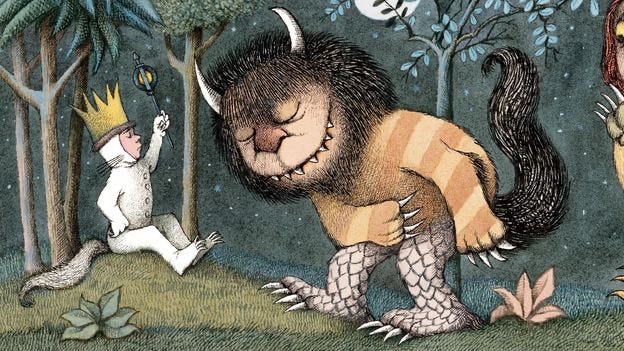
Imagine we are in a forest. My friend is blindfolded. There are two paths. Left or right. I choose right. I take their hand and guide them through the forest. I stay alert the entire time. I move branches out of the way. I take the cuts. I step into the uncertainty first.
I guide them almost all the way out.
When we are ten feet from safety, I let go of their hand.
All they have to do is walk ten feet.
But they stop.
They panic. They freeze. They blame me for letting go instead of appreciating how far I brought them.
And I understand why.
They are blindfolded. They cannot see the exit. They cannot see the path. They cannot see the distance left. They only feel the absence of my hand.
What they do not understand is the effort it took to guide them that far. The pain. The focus. The weight of being responsible for both of us.
They also do not understand something else.
If I had chosen the left path and let them walk it on their own, they might have struggled more. They might have taken longer. They might have gotten hurt.
But they would have learned how to move without my grip.
That realization was painful.

Because when you love people, you want them to choose the path you think is right. You want to protect them from mistakes. You want to save them time. You want to be useful.
But who am I to decide that for them.
I am not God.
And helping too much can put you in the way of someone else’s becoming. It can interrupt lessons they are meant to learn alone. It can replace growth with dependence. Comfort with delay.
I had to accept that my version of help was not always what people needed. Sometimes it was just what made me feel good. What made me feel valuable. What made me feel necessary.
That is not love. That is control disguised as care.
Now I help differently.
I am still helpful. That will never leave me. But I only help if we are moving in the same direction. If my hand is guiding, not dragging. If my support is adding momentum, not replacing it.
I will walk with you.
I will share what I know.
I will open doors.
But I will not carry you through a forest you are meant to learn how to walk through yourself.
Help is subjective.
And learning when to step back was one of the hardest ways I learned to truly love.